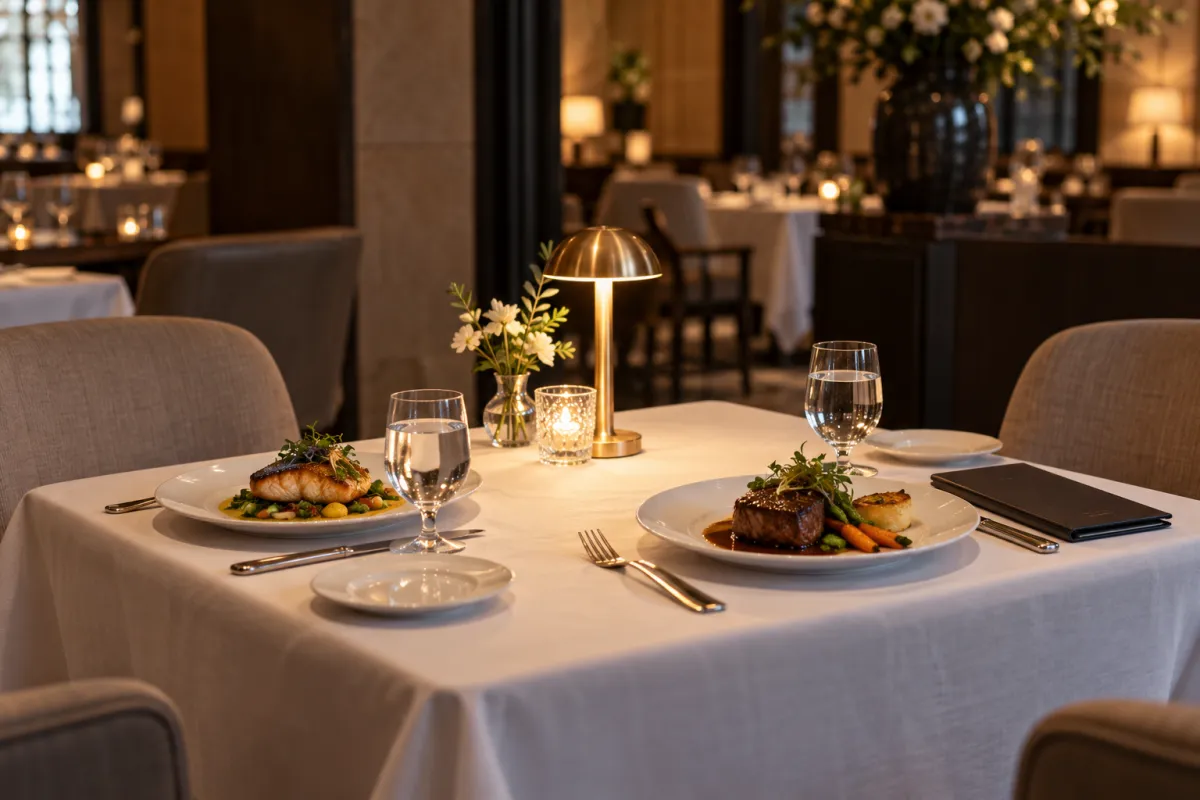
If you are planning a first date in Buenos Aires, Córdoba or Mendoza, here is the concrete answer to who pays on a date in Argentina: on the first outing, the man usually pays, and most people on both sides of the table still expect it. That holds even for couples who will happily split everything a few months later.
For North Americans used to the easy “let’s just split it” default of many US and Canadian cities, this can feel either old-fashioned or generous, depending on where you are sitting. It is neither a trap nor a test you can badly fail. It is a custom with a clear script, a built-in way to return the favor, and plenty of room for couples who prefer to do things differently.
Below you will find what Argentine surveys actually show, how the Spanish word invitar changes the math, what to do when your offer to pay is refused, how things work in Colombia, a country comparison table and the exact phrases to ask for the check.
Who pays on a date in Argentina: the short verdict
The default rule is simple: on a first date, the man pays. If the date was proposed by one person with a clear invitation, that person pays, which in practice still usually means the man in heterosexual dating. In same-sex couples, or when a woman does the inviting, the inviter rule takes over.
Three things soften the rule:
- Age and setting. Younger daters and students share costs more readily, especially for casual plans like coffee, beer or ice cream.
- Time. The “man pays” expectation is strongest on date one and fades as the relationship becomes established.
- Reciprocity. If one person pays, the other is expected to offer to pay for the next outing. That is how balance is restored, rather than by splitting at the table.
So the fair answer to who pays on a date in Argentina is not “always the man.” It is “the man or the inviter pays first, and the other person evens things out next time.”
What Argentine surveys say about the first date
The clearest numbers come from a Match.com survey of its Argentine users, covered by several national outlets. In that study, 86% of men said men should cover the expenses of a first date (Clarín).
Women largely agree: 75% of the women surveyed said they expect the man to pick up the check when asked who should pay on a first date (LatinSpots).
Splitting is a minority position on date one, supported by only 14% of women and 8% of men in the same survey (LatinSpots). Paying strictly for what each person ordered was even less popular, which tells you that itemizing the check on a first date can come across as cold rather than fair.
How to read these numbers
Keep two caveats in mind. First, these are survey snapshots of dating-app users, not a rulebook, and attitudes keep shifting. Second, relationship specialist Rougier, quoted by Infobae, points out a generational split: among teens and young adults, a shared bill is expected, while as people get older, some women (not all) expect the man to have the courtesy of inviting them. In other words, a university student in Buenos Aires and a professional in their late thirties may approach the same café check very differently.
The same research also notes that choosing the venue is a more shared decision than paying for it. Many daters prefer to agree on the place together, so suggesting a spot is not the same as volunteering to pay for it.
“Te invito” means I’m paying
The single most useful piece of Spanish for dating etiquette is the verb invitar. In English, “I invite you to dinner” only describes the plan. In Spanish, “te invito a cenar” means “I’m taking you to dinner, and it’s on me.” The invitation and the payment are the same gesture.
That has practical consequences:
- If you say “te invito,” plan to pay. Suggesting a split at the end after inviting someone this way feels like a bait and switch.
- If you want to share costs, word the plan neutrally. Something like “¿Tomamos un café el sábado?” (Shall we grab a coffee on Saturday?) proposes a meeting without promising to pay.
- “Invito yo” at the table is a claim. When someone says “dejá, invito yo” (leave it, I’ve got this), they are taking the check, and the gracious response is thanks plus an offer for next time.
This is also why the North American idea of “going Dutch” does not map neatly onto Argentine dating. The phrase is an English expression, not a Dutch or Argentine one; for how other countries phrase the request to pay separately, see our guide to asking for the bill in different languages. In Argentina, people simply say “dividimos” (let’s split) or, more casually, “vamos miti-miti” (half and half).
Offering to pay and being turned down
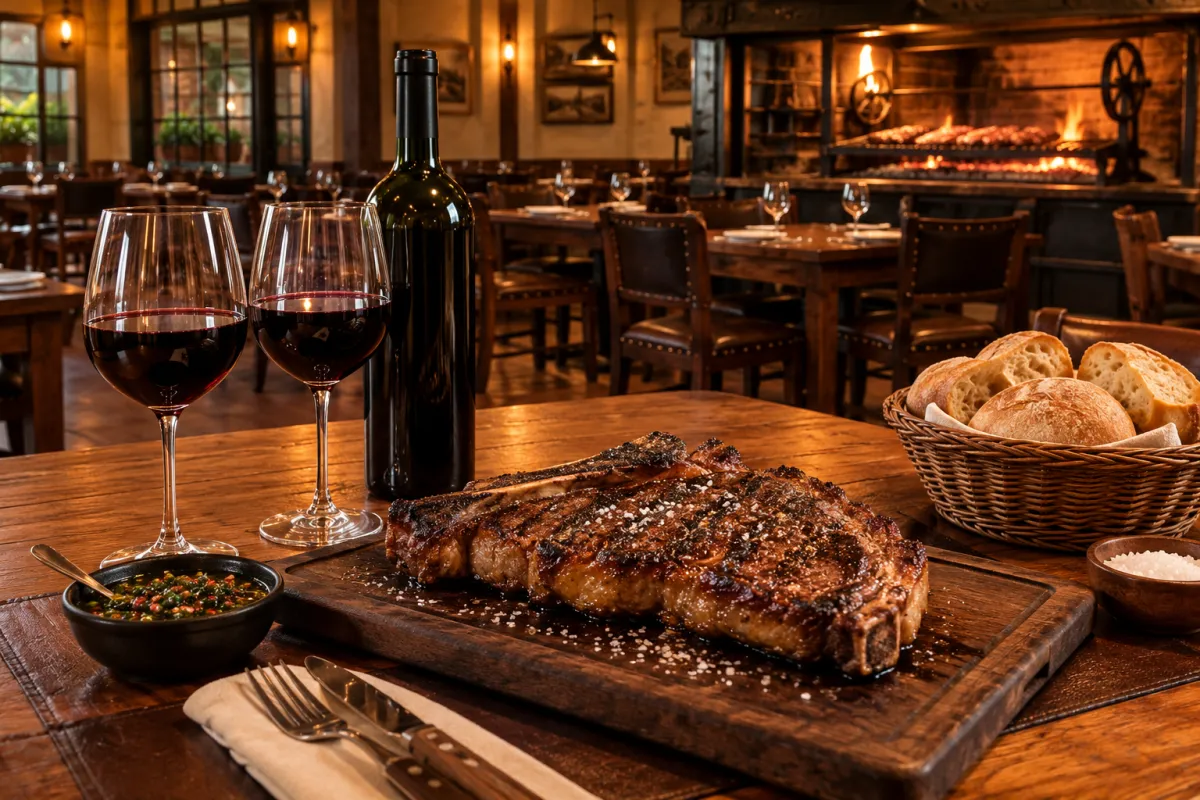
Offering is polite. Insisting hard is usually not. On a first date in Argentina, the expected choreography is: the man reaches for the check, the woman offers once (sincerely, wallet visible), the man declines, and she accepts with thanks. According to the same survey, if a woman offers to pay, 52% of respondents said the man should insist and pay for everything (LatinSpots).
If you are the one being treated
- Offer once, clearly: “¿Querés que dividamos?” (Do you want to split it?)
- If declined, accept warmly: “Muchas gracias. La próxima invito yo.” (Thank you so much. Next time is on me.)
- Do not slip cash on the table or pay secretly at the counter. In Argentina that can feel like you are rejecting the gesture.
If you are the one paying
- Decline the offer kindly, without making a speech: “No, dejá, hoy invito yo.”
- If your date insists a second time and clearly means it, consider agreeing to split, or let them cover the coffee or dessert afterward. Reading your date matters more than winning the moment.
- Never make the payment feel like a debt. Treating someone is a courtesy, not a down payment on anything.
For more phrasing in English, our guide on how to offer to pay politely has scripts you can adapt to Spanish easily.
Second dates and beyond: taking turns
Argentine dating etiquette has a clear rule for restoring balance. As the specialist quoted by Infobae puts it, if one person pays on the first date, ideally the other person offers to pay on the next one.
In practice, that looks like this:
- Date one: the man or the inviter pays.
- Date two: the other person invites, often to something of similar or slightly lower cost, such as drinks, a parrilla lunch, or a cone at a heladería.
- After that: couples alternate, split, or settle into whatever system fits their budgets.
Offering to pay for date two also sends a signal: it says you would like a date two. That is part of why the reciprocity rule works so smoothly. Nobody has to tally receipts; you just take turns.
Budget tip: If you are the one returning the favor, you do not have to match a fancy steakhouse dinner. A thoughtful, cheaper plan counts. Our guide to realistic first-date budgets has ideas that translate well to Argentine cities.
Who pays on a date in Colombia?
Many travelers combine Argentina and Colombia in one trip, so it helps to know how the two compare. Who pays on a date in Colombia follows a similar traditional pattern: the man, or whoever did the inviting, usually pays on the first date, and the same invitar logic applies. We have not found a solid Colombian survey comparable to the Argentine one, so treat this as general guidance rather than hard data.
A few differences are worth knowing:
- Politeness is extra formal. Colombians often ask for things with “¿me regala…?”, which literally means “would you gift me…” but simply means “could I have…”. Asking for the check as “¿Me regala la cuenta, por favor?” sounds natural and polite.
- Splitting among friends is common. In groups, Colombians often “hacer una vaca,” pooling money for a shared bill. On dates, especially among younger urban daters, offering to pay “a medias” (half each) is increasingly accepted, though a first date still leans traditional.
- Service is often suggested on the bill. Servers usually ask whether you would like to include the suggested tip, with a question like “¿Desea incluir el servicio?”. The fact that they ask signals it is presented as optional, but leaving it off after good service would be unusual.
The overall verdict is close to Argentina’s: expect the inviter to pay on date one, offer once, accept graciously, and return the favor next time.
Comparison table: dates and the bill by country
Here is how Argentina and Colombia compare with places North American readers know well. These are broad tendencies, not rules for every couple; individual dates always vary.
| Country | Who usually pays on a first date | Splitting norm | Tipping and service |
|---|---|---|---|
| Argentina | The man or the inviter; the other person returns the favor next time | Uncommon on date one; common later (“miti-miti”) | A tip for the server is customary; some restaurants add a per-person table charge |
| Colombia | The man or the inviter, traditionally | More accepted among younger urban daters; “a medias” or a group “vaca” | Suggested service is often offered on the bill and you are asked whether to include it |
| United States | Often the inviter; many couples split | Widely accepted, even on first dates | Tipping on top of the bill is expected |
| Canada | Often the inviter; many couples split | Widely accepted, even on first dates | Tipping on top of the bill is expected |
| Spain | Varies; inviter or split | “A medias” and “a escote” are common | Tips are modest and optional; see our guide to paying the bill in Spain |
| United Kingdom | Mixed; splitting is common | Widely accepted | A service charge is sometimes added; see who pays on a date in the UK |
| Italy | Often the inviter | “Alla romana” is common among friends | A coperto (cover charge) may appear; tipping is optional |
| Germany | Often split | Very common; servers ask “zusammen oder getrennt?” | Rounding up and telling the server the total is typical |
| Japan | The inviter or the more senior person | “Warikan” (equal split) is common | No tipping |
The pattern for North Americans: Argentina and Colombia lean more traditional on date one than the US and Canada, but they also have a stronger, more explicit habit of reciprocity afterward.
Phrases to ask for the bill
Argentines use vos instead of tú, so verbs look slightly different from textbook Spanish. Colombians in many regions use usted even with friends. These phrases work in each country.
Argentina
| Phrase | Meaning | When to use it |
|---|---|---|
| La cuenta, por favor. | The check, please. | Anywhere; you can also catch the server’s eye and mime signing |
| ¿Me traés la cuenta, por favor? | Could you bring me the check? | Friendly, natural Argentine phrasing |
| ¿Se puede pagar con tarjeta? | Can I pay by card? | Before ordering at smaller places |
| Dejá, invito yo. | Leave it, it’s on me. | Claiming the check |
| ¿Querés que dividamos? | Do you want to split it? | Offering to share |
| Vamos miti-miti. | Let’s go half and half. | Casual splitting, usually after the first dates |
| La próxima invito yo. | Next time is on me. | Accepting a treat gracefully |
Colombia
| Phrase | Meaning | When to use it |
|---|---|---|
| ¿Me regala la cuenta, por favor? | Could I have the check, please? | Standard polite request |
| ¿Pagamos a medias? | Shall we pay half each? | Offering to split |
| Yo invito. | It’s on me. | Claiming the check |
| Sí, incluya el servicio, por favor. | Yes, please include the service. | When asked about the suggested tip |
Tipping and table charges in Argentina
Whoever pays on the date normally covers the whole thing, including the tip. A few practical points:
- Propina (tip). Leaving a tip for good service is customary. Many people leave it in cash on the table, so it helps to carry some pesos even if you pay the meal by card.
- Cubierto or servicio de mesa. Some restaurants list a per-person table charge on the menu, usually covering bread and the table setting. It is not the tip, so do not treat it as one.
- Ask if unsure. “¿Está incluido el servicio?” (Is service included?) is a normal question and nobody will find it strange.
If you are being treated, do not offer to “just get the tip.” It can feel like you are splitting the gesture. Save your contribution for the next plan instead.
Ready-to-use scripts for visitors
You are a man and want to pay, as expected
When the check arrives: “Dejá, hoy invito yo.” If your date offers: “No, de verdad, es un gusto.” (No, really, it’s my pleasure.)
You are a woman and want to contribute
Offer once: “¿Querés que dividamos?” If declined: “Gracias, me encantó. La próxima invito yo.” (Thanks, I loved it. Next time is on me.) Then actually follow through on date two.
You both prefer to split from the start
Set it up early so nobody is surprised at the table. When planning: “¿Tomamos algo y vamos a medias?” (Shall we grab a drink and go halves?) In English with a bilingual date, our scripts on how to ask to split the bill keep it light and clear.
You are on a tight budget
Choose the plan, not just the payer. Suggest a café, a walk followed by ice cream, or a casual lunch. A simple invitation that you can comfortably pay for is better than an expensive dinner you end up wanting to split.
Same-sex couples or nontraditional dynamics
Use the inviter rule: whoever proposed the date with “te invito” pays, and the other person offers next time. If neither of you used that wording, a quick “¿dividimos?” is perfectly normal.
Meeting someone new: safety basics
Whether you met on an app or through friends, a few habits keep a first date relaxed in any country:
- Meet in a public place, such as a busy café, restaurant or bar with other customers around.
- Tell a friend where you are going and who you are meeting.
- Arrange your own way home rather than relying on your date for a ride.
- Leave if you feel uncomfortable. You never owe anyone more time because they paid. Offering to cover your share, or simply thanking them and going, is always acceptable.
- Carry your own card or cash, so you can pay your part if the evening does not go as planned.
Want to turn this into an actual plan? MeetNow is a free app for meeting people in person: a host posts a plan at a public place, says who pays (host pays, split, pay your own or free) and picks who joins. It is live on the web and works in your browser, starting in Malta. The Android app is on Google Play; the iPhone app is not in the App Store yet. Open MeetNow and see the plans posted in Malta.
FAQ
Should I offer to pay on a first date in Argentina?
Yes, offering once is polite, but expect it to be declined if the man or the inviter planned to pay. Accept with thanks and say “La próxima invito yo” (next time is on me), then follow through on the second date.
Is it rude to split the bill on a date in Argentina?
It is not rude, but it is uncommon on a first date, and itemizing exactly who ate what can feel cold. Splitting is much more normal among younger daters, for casual plans, and once you have been on a few dates.
Who pays on a second date in Argentina?
The usual rule is reciprocity: if one person paid for the first date, the other offers to pay for the next one. After that, couples tend to alternate or split in whatever way suits their budgets.
Who pays on a date in Colombia?
Colombia is similar to Argentina: the man or whoever invited usually pays on the first date, and the other person is expected to offer once and return the favor later. Splitting “a medias” is increasingly accepted among younger urban daters.
How do you ask for the check in Argentina?
Say “La cuenta, por favor” or, more naturally, “¿Me traés la cuenta, por favor?” You can also catch the server’s eye and mime signing. To claim the check on a date, say “Dejá, invito yo.”