The short answer
How does Eatwith work? It’s a marketplace that connects people who host food experiences (home dinners, cooking classes, tastings and food tours) with guests who book a seat online. Hosts apply, list an experience and set their own price; according to Eatwith’s help center, the platform adds a 30% fee on top, paid by the guest, so hosts keep their full price. Guests pay the whole amount at booking, can cancel for a full refund before the event’s cancellation deadline (48 hours before by default), and owe nothing at the table. Hosts are paid after the event. Last checked November 2026.
Most explanations of Eatwith look at it only from the guest’s chair. To really understand how it works, and why the price is what it is, it helps to see both sides of the table. If you just want our verdict on whether to book, read our Eatwith review; this guide focuses on the mechanics.
How does Eatwith work? The marketplace in one table
| Step | Host | Guest | Eatwith |
|---|---|---|---|
| 1. Join | Applies with a profile and a draft experience | Creates an account | Reviews host applications |
| 2. List | Publishes menu, dates, seats, price, cancellation deadline | Searches by city and date | Adds its guest fee to the displayed price |
| 3. Book | Receives the booking | Pays the full amount online | Holds the payment |
| 4. Event | Cooks and hosts | Attends; no bill at the end | Handles messages and support |
| 5. After | Gets paid out | Can leave a review | Releases the host’s share |
Eatwith is one of several “dinner with strangers” formats. For the wider landscape, see our pillar on how dinner with strangers works and the explainer on what a supper club is.
The guest side, step by step
- Search by city. Listings show the type of experience, the menu, dates, group size and price per guest.
- Read the details. Check what’s included (courses, drinks, pairing), the venue type (a home or another venue), dietary options and the cancellation deadline shown at checkout.
- Pay in full at booking. Eatwith’s help center for travel agents notes that it doesn’t take deposits; the full amount is charged when you book.
- Get the practical details. Your booking confirmation includes the meeting point and timing.
- Attend. Meet the host and the other guests, eat, talk, learn.
- Leave without a check. Because the seat is prepaid, nobody splits a bill. Anything extra depends on the listing.
Booking for two? The usual etiquette applies: whoever invites covers both seats, or you agree up front that one books and the other sends their half.
What the evening itself is like
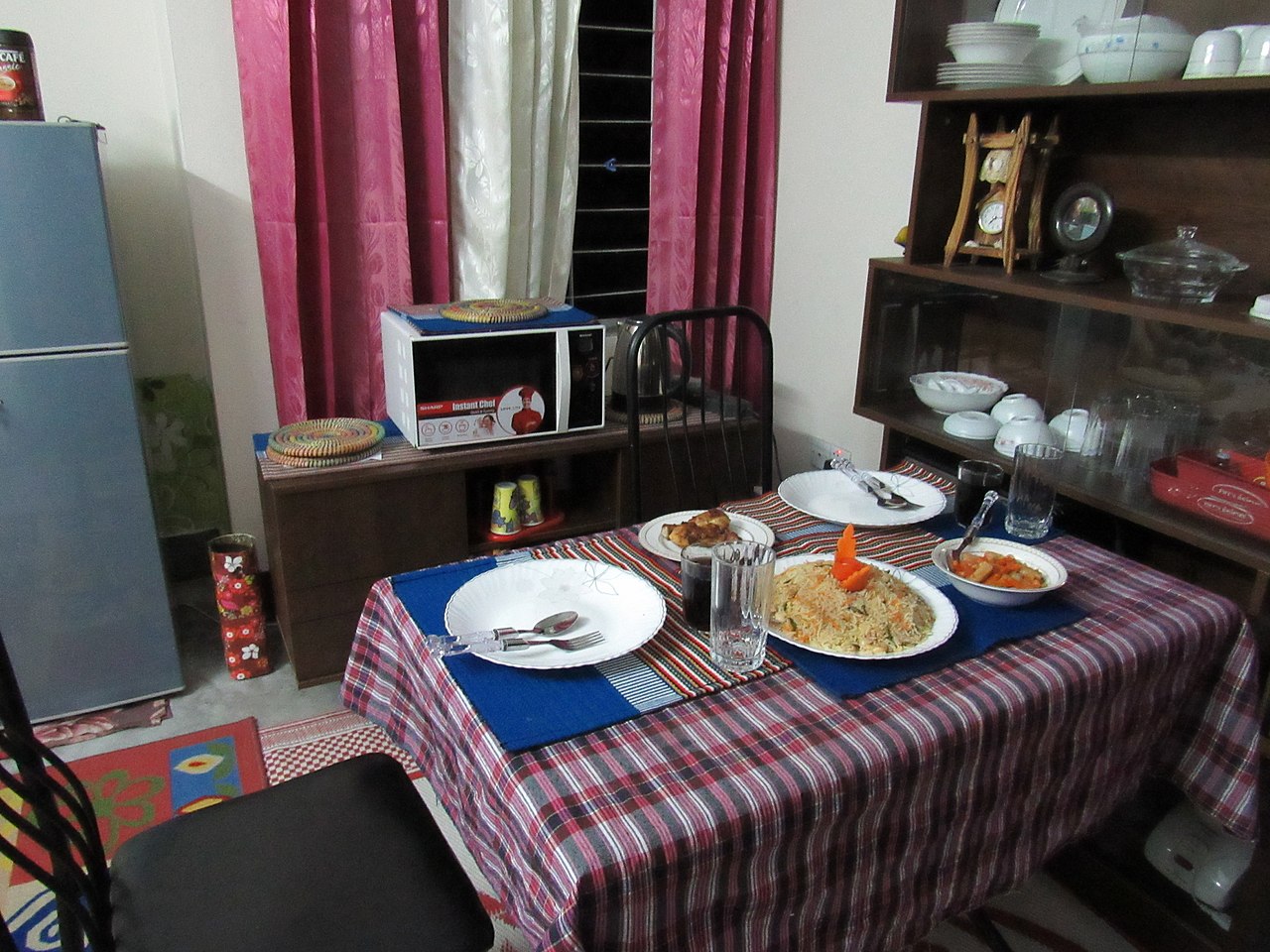
Formats vary, but a hosted dinner usually follows a familiar rhythm. Guests arrive within a few minutes of each other, the host makes introductions and often explains the menu or the story behind a dish, and the meal is served family style or in courses at one shared table. Conversation tends to move from where everyone is from to food, travel and the host’s city. Cooking classes add a hands-on part before you eat what you’ve made. Because the price is settled in advance, the end of the evening is simple: thank the host, say goodbye to the other guests, and leave a review afterwards if you enjoyed it. If you’re nervous about the social side, it helps to remember that everyone else at the table chose to sit with strangers too; our guide on what to expect at a dinner with strangers walks through the evening step by step.
Where the money goes
Eatwith’s host article on pricing your experiences explains the model: hosts choose the price they want to earn per guest, and Eatwith adds a 30% fee on top that the guest pays. Its own example: a host who wants 60 per guest is listed at 78. The article dates from 2023, so always check the total at checkout.
| Host’s price | Eatwith fee (30%) | Guest pays per seat | Host receives |
|---|---|---|---|
| $40 | $12 | $52 | $40 |
| $60 | $18 | $78 | $60 |
| $85 | $25.50 | $110.50 | $85 |
The same article advises new hosts to start below their goal price and raise it as reviews build up. That’s why you’ll often see newer hosts listed more cheaply than established ones in the same city.
Compare that with a matched restaurant format like Timeleft, where you book through an app and pay for your own food at the restaurant; we break that down in how Timeleft works and side by side in Timeleft vs Eatwith.
The host side: from application to payout
According to Eatwith’s help article on becoming a host, the process looks like this:
- Apply. The application has two parts: your host profile and a shortened draft of the experience you’d like to offer.
- Wait for review. Eatwith says reviews can take up to 14 business days, and a community manager may ask for missing details.
- Complete the listing. Once approved, you finish the full experience: menu, photos, dates, number of seats, price and cancellation deadline.
- Add payout details. Hosts are asked to set up payment information so earnings can be sent.
- Host the event. Cook, welcome guests and run the experience as described.
- Get paid after the event. Eatwith’s help center describes payouts arriving within a few business days of the experience, depending on the payment method and bank.
Local rules on serving food to paying guests vary by city and state, so anyone considering hosting should check what applies where they live before listing.

Cancellations on both sides
Eatwith’s cancellation policy and its article on customizable host cancellation policies set out the rules:
| Who cancels | When | What happens |
|---|---|---|
| Guest | Before the deadline | Full reimbursement of the reservation |
| Guest | After the deadline | No refund |
| Host | Any time | Guest is credited the full amount |
| Deadline not customized by host | Default | 48 hours before the event |
Hosts can set different deadlines per experience, for public and private events, and per date. As a guest, put the deadline in your calendar the moment you book.
Going to a dinner in a stranger’s home? Book and message through the platform, tell a friend where you’re going and when you expect to be back, arrange your own way there and home, and feel free to leave if anything feels off.
Is Eatwith a good fit for you?
- Great for: travelers who want a local, home-cooked meal; special occasions; cooking classes; solo diners who’d rather share a table.
- Less ideal for: meeting the same people regularly on a budget, since every seat carries the host’s price plus the fee.
- Alternatives: ticketed supper clubs, communal tables and small self-organized dinners. Our list of dinner with strangers events covers how to find and vet them.
If what you want is simply a regular meal with new people at a normal restaurant, the plan itself can be much simpler. Want to turn this into an actual plan? MeetNow is a free app for meeting people in person: a host posts a plan at a public place, says who pays (host pays, split, pay your own or free) and picks who joins. It is live on the web and works in your browser, starting in Malta: open MeetNow and see the plans posted in Malta.
Frequently asked questions (FAQ)
How does Eatwith work for guests?
You search by city, choose a dinner, class or tour, and pay the full price online when you book. You receive the details, attend the experience with the host and other guests, and there is no bill at the end.
How does Eatwith make money?
According to its host help center, Eatwith adds a 30% fee on top of the price the host sets, paid by the guest. Hosts keep 100% of their own price.
How do you become an Eatwith host?
You apply with a host profile and a short draft of the experience you want to offer. Eatwith’s help center says the review can take up to 14 business days, after which you complete the full listing.
What is Eatwith’s cancellation policy?
Guests who cancel before the event’s deadline get a full refund; after it, there is no refund. Hosts can set the deadline per experience or date, and if they don’t, the default is 48 hours before the event.
When do Eatwith hosts get paid?
After the event. Eatwith’s help center describes payouts arriving within a few business days of the experience, depending on the payment method and bank.
Featured photo: long wooden dining table and chairs in a light timber room, Markedshallen, by RhinoMind, CC BY-SA 4.0, via Wikimedia Commons.