A new friend texts “Wanna grab a drink Thursday?” and you start doing math before you’ve even replied. Here is the fair default for who pays for drinks with a new friend: each of you pays for what you order, unless one of you clearly offered to host. The wording of the invitation decides almost everything, and the person sending it can settle the question with one extra sentence.
That default holds whether it’s a one-on-one friend date at a wine bar, a patio pint after a climbing class, or six people from a book club who drift to the brewery next door. A few specific things change it: explicit hosting language, rounds, shared bottles and big gaps in what people order. Below you’ll find a scenario table, invitation scripts you can paste into a text, and a clean way to pay someone back when they covered you.
Who Pays for Drinks With a New Friend: The Short Verdict
When you’re meeting someone for the first or second time, assume everyone pays for themselves. That is the standard etiquette advice for new acquaintances, coworkers and neighbors, often called going Dutch (The Washington Post). It isn’t stingy. It’s the arrangement that asks the least of a friendship that doesn’t have any history yet.
Three reasons pay-your-own works so well early on:
- There’s no reciprocity ledger yet. Old friends trade treats for years and it evens out. A new friend can’t know whether you’ll be around long enough to even it out, so a big treat can feel like a debt.
- People drink very differently. One person has a single beer, another has two cocktails and a shot. Separate tabs mean nobody quietly subsidizes anybody.
- It keeps platonic plans platonic. A one-sided treat at a bar can read as date-like, which is awkward if neither of you meant it that way.
So the verdict is simple: pay your own by default, host if you said you would, and spell out anything else in advance. If you’re weighing the same question for coffee or lunch, our guide to who pays on a friend date covers the non-bar versions.
Why the invitation matters: This is the idea behind MeetNow, a free app that works in your browser and on Android through Google Play, starting in Malta (the iPhone app is not in the App Store yet). When a host posts a plan at a public place, they state who pays (host pays, split, pay your own or free) before anyone asks to join. With or without an app, the principle holds: the payment terms should travel with the invitation.
How the Invitation Wording Decides Who Pays
An invitation only implies a treat when the inviter frames it as hosting. If someone says “Let me take you out for a drink to welcome you to the neighborhood,” they are acting as the host and are expected to pay (The Washington Post). A loose “Wanna grab a drink?” is a suggestion to meet up, and it defaults to separate checks.
Here’s how common phrasings usually land:
- “Wanna grab a drink sometime?” Pay your own.
- “Drinks after run club?” Pay your own. It’s an extension of an activity, not a hosted plan.
- “Let me buy you a drink as a thank-you.” They pay, at least for the first one.
- “My treat” or “I’ve got this one.” They pay for what was offered. What that phrase actually covers is unpacked in our piece on the “my treat” meaning and what it commits you to.
- “First round’s on me.” They cover one round for everyone present. After that, it’s back to pay your own.
- “Come over, I’ll have a bottle open.” A home invite. The host provides the basics; bringing something to share is the polite reply.
If you’re the inviter and can’t tell how your own message reads, add the clause. “Wanna grab a drink? Separate tabs, low-key” takes a few extra words and removes the guesswork for both of you. If you’re the invitee and the message is ambiguous, assume you’re paying your own and bring a card. Being ready to pay is never the awkward option; expecting a treat that wasn’t offered is.
Scenario Table: Fair Defaults for Drinks With New People
Use this as your quick reference. The middle column is the default most people in the US and Canada will find fair; the right column is when it’s reasonable to do something different.
| Plan type | Fair default | When to change it |
|---|---|---|
| One-on-one, casual invite (“grab a drink?”) | Each person pays their own | The inviter said “my treat” or “let me take you out” |
| One-on-one, hosted invite (“let me take you out”) | Inviter pays | The guest offers the next round or a return invite, and the host accepts |
| Drink after a class, game or meetup with someone you just met | Each person pays their own | Rarely; suggesting the spot is not the same as hosting |
| Small group (3–4) drinking at a similar pace | Take turns buying rounds, or separate tabs | Someone is drinking less, leaving early or skipping alcohol: switch to tabs |
| Larger group (5+) from a group chat or meetup | Pay your own, ideally on individual tabs | The organizer announced “first round’s on me” or posted the plan as hosted |
| Shared bottle of wine or pitcher | Split among the people drinking it | A non-drinker at the table pays nothing toward it |
| One person orders top-shelf or premium | That person covers their own difference | Everyone agreed upfront to order freely and split evenly |
| A friend of a friend tags along | They pay their own | The person who brought them offered to cover them |
| Drinks at someone’s home or a game night | Host covers the basics; guests bring a bottle or snacks | The host asked for a set contribution in the invite |
Notice the pattern: the default only shifts when someone says something out loud. Silence means pay your own. A clear offer means the offer stands. That rule alone resolves most check-time standoffs.
Rounds, Tabs and Uneven Orders
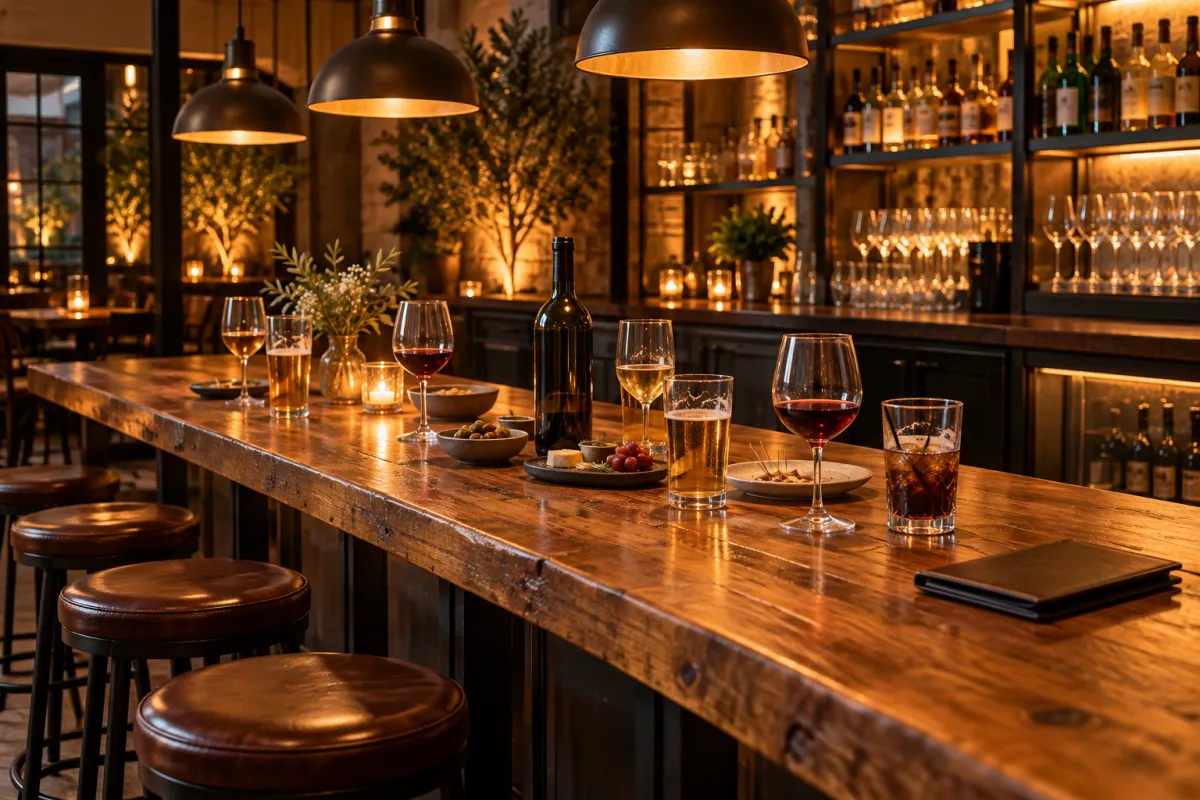
The friction with drinks usually isn’t who pays in principle. It’s that people order wildly different amounts. Roughly one-third of adults say a bill shouldn’t be split evenly when people consumed very different amounts, and alcohol is a common reason the gap feels unfair (CBS News). With a new friend, you don’t yet know which camp they’re in, which is exactly why separate tabs are the safe starting point.
When rounds work
Buying rounds, where each person takes a turn buying for the group, works well in small groups where everyone drinks the same kind of thing at the same pace and plans to stay roughly the same amount of time. It breaks down when the group is large, when someone has one drink and leaves, or when one person is on sparkling water while the others order cocktails. Never start a round system with someone who has already told you they’re taking it easy; let them run their own tab.
Shared bottles and pitchers
If three of you share a bottle of wine and the fourth person has a soda, the bottle splits three ways. Say it as you order: “Want to split a bottle? The three of us, I mean.” It sounds small, but it’s the exact moment a light drinker starts to feel stuck.
When someone orders big
Etiquette guidance from the Emily Post Institute holds that if someone orders an exceptionally expensive item, such as top-shelf liquor or premium wine, just for themselves, they should proactively offer to cover the difference rather than letting the table absorb it (CBS News). If that person is you, say it before anyone does the math: “I went fancy, so let me cover mine separately.” If it’s someone else and they don’t offer, asking for separate checks is the polite fix, and our guide on how to ask to split the bill has wording for that moment.
Should the Organizer Pay for Their Own Meal or Drinks?
Yes. Should the organizer pay for their own meal or drinks when they set up a group plan? By default, absolutely: the organizer pays their share like everyone else. Organizing is a favor, not a service the group owes back in drinks, and it doesn’t obligate the organizer to cover anyone else either. The only time the math changes is when the organizer announced something, like a first round, appetizers for the table, or a fully hosted plan.
What a good organizer does owe the group is clarity. Put the payment terms in the first message, not in a follow-up after people have already said yes. Our deeper guide to who pays at a meetup covers the organizer’s share for larger and recurring groups.
The organizer who opens a tab
Sometimes a bar wants one card for a group table. If the organizer puts their card down, they’re fronting the money, not hosting. Everyone should pay them back before leaving or within the same day. If you’re the organizer and want to avoid being the group’s bank, ask the server upfront for separate checks or individual tabs.
When a friend of a friend joins
Plus-ones and friends of friends pay their own. The person who brought them isn’t automatically covering them, and the organizer certainly isn’t. If you’re bringing someone, a quick heads-up in the group chat (“My neighbor’s coming, she’ll get her own”) keeps it clean. If you’re the newcomer, open your own tab without being asked; it’s the easiest way to make a good first impression on a group you just met.
How to Pay Someone Back for Dinner or Drinks
If a new friend covered the bill because the bar only took one card, or because you forgot your wallet, pay them back quickly and without making them chase you. Here’s how to pay someone back for dinner or drinks so it feels easy on both sides:
- Ask the amount before you leave. “What do I owe you for mine?” is better than guessing. If you’re estimating, round up slightly rather than down.
- Send it the same day. Cash works, and so do common transfer options: Venmo or Zelle in the US, Interac e-Transfer in Canada. Use whatever they say they use.
- Add a short note. “Thanks for grabbing it, that was fun” turns a transaction into a friendly follow-up.
- Don’t make them request it. Plenty of people feel awkward sending a payment request to someone they barely know. If you’re on the other side and do need to ask, here’s when it’s fine: is it rude to Venmo request a friend.
When it was a treat, don’t send money
If they said “my treat” or “let me take you out,” sending money back can feel like rejecting the gesture. Reciprocate in kind instead: buy the next round, cover the coffee next time, or send a return invite that says you’re hosting. A warm thank-you text afterward is part of the payback too.
Copy-Paste Invitation Scripts That Say Who Pays
The easiest way to avoid any awkwardness is to put who pays in the invitation itself. Copy these, change the details, and send.
One-on-one, pay your own
“Want to grab a drink this week? Somewhere low-key. Separate tabs, no pressure either way.”
You’re hosting
“I’d love to take you out for a drink to say thanks for helping with the move. My treat, you pick the day.”
Casual, sort it out at the table
A relaxed line said as you sit down sets a low-pressure expectation: “Let’s do separate checks, or we can just split whatever we order, sound good?” (Friendship Rules).
Group chat drinks
“Patio drinks Saturday afternoon after the hike? Pay your own, I’ll ask the bar for separate tabs. Friends are welcome, they get their own too.”
Covering the first round
“First round’s on me to say thanks for coming out. After that, everyone’s on their own tab.”
Light drinker or not drinking
“I’m sticking to one drink, so let’s do separate tabs.”
Bringing a friend of a friend
“Mind if my coworker joins? She’ll cover her own.”
Returning a treat
“You got the last one, so this one’s on me. I insist.”
What to Say When the Check Arrives
Even with a clear invite, things go sideways sometimes. Here’s how to handle the most common moments without making them bigger than they are.
- They grab the check and you expected pay-your-own. Offer once: “Oh, let me get mine.” If they insist, accept graciously and say “Then the next one’s mine.”
- They suggest an even split, but you had much less. “Would you mind if we did it by what we ordered? I only had the one.” Keep your tone light; most people agree immediately.
- They seem to expect you to treat. “Oh, I thought we were doing our own. Happy to get the next round though.” It’s honest without being cold.
- You want to treat but don’t want it to feel heavy. Frame it as a small, specific thing: “Let me get this round, you got the coffee last week.” For more phrasings, see how to offer to pay politely.
On tipping: in the US and Canada, each person tips on their own tab, and whoever pays for a hosted round tips on that round. If someone fronted the whole bill, include your share of the tip when you pay them back.
Safety Basics for Drinks With Someone New
Meeting someone you don’t know well, especially where alcohol is involved, deserves a little planning. None of this is paranoid; it’s what experienced meetup-goers do by habit.
- Meet at a public place. A busy bar, brewery or café patio, not someone’s apartment on a first meeting.
- Tell a friend. Share where you’re going and who you’re meeting.
- Arrange your own way home. Know how you’re getting back before you arrive, and don’t drive if you’ve been drinking.
- Keep your own tab. Paying for your own drinks also means you control what and how much you order.
- Leave if you’re uncomfortable. You don’t owe anyone an explanation. Settle your tab and go.
Want to turn this into an actual plan? MeetNow is a free app for meeting people in person: a host posts a plan at a public place, says who pays (host pays, split, pay your own or free) and picks who joins. It is live on the web and works in your browser, starting in Malta. The Android app is on Google Play; the iPhone app is not in the App Store yet. Open MeetNow and see the plans posted in Malta.
FAQ
If a new friend invites me for drinks, are they paying?
Only if they framed it as hosting. “Let me take you out for a drink” or “my treat” means they pay; “Wanna grab a drink?” means each of you pays your own. If you’re unsure, ask lightly before ordering: “Separate tabs?”
Is it rude to suggest separate checks with someone I just met?
No. Separate checks are the standard default with new acquaintances, and suggesting them before ordering comes across as considerate, not cheap. A relaxed line like “Let’s do separate tabs, sound good?” works almost anywhere.
Should the organizer pay for their own meal at group drinks?
Yes. Organizing is not a fee the group owes back in drinks, and it doesn’t oblige the organizer to cover anyone else. The organizer pays their own share like everyone else, unless they announced they were hosting or offered a round.
How do I pay someone back for dinner or drinks they covered?
Ask for the amount the same day, then send it promptly by cash, Venmo, Zelle or, in Canada, Interac e-Transfer, with a short thank-you note. If they said it was their treat, don’t send money; buy the next round or invite them out next time instead.
I don’t drink much. How do I avoid paying for everyone else’s cocktails?
Say it before anyone orders: “I’m sticking to one drink, so I’ll do my own tab.” Opt out of rounds politely and skip shared bottles you’re not drinking from. Saying it upfront keeps the split fair and avoids a tense moment at the end.
If someone buys me a drink, do I have to buy them one back?
It’s the gracious move, especially in a round system, but it doesn’t have to be immediate. You can offer the next round, cover the next coffee, or say “Next one’s on me” and follow through when you meet again.