
The easiest way to avoid the awkward moment when the check arrives is to decide who pays before anyone sits down. Knowing how to say split the bill in an invitation turns the end of the meal into a formality, because everyone ordered knowing the rule. This matters most with newer friends and people you just met. Nobody knows yet whether you’re an “I’ve got this one” person or a “separate checks, please” person.
Most money tension on friend plans isn’t about the amount. It’s about the surprise. A friend assumed the inviter was paying. A group member ordered a salad and then got handed an even share of a steak dinner. An organizer fronted the picnic supplies and now feels weird asking to be paid back. One clear sentence in the invite prevents all three.
Below you’ll find a fair default for each kind of plan, a scenario table and copy-paste invitation scripts. You’ll also find wording for the parts people dread: asking friends to chip in, splitting the ride home and handling someone who forgot the rule.
Why the Invitation Is the Best Place to Say Who Pays
People make two decisions based on cost. They decide whether to come, and they decide what to order once they’re there. If the payment rule only shows up when the check arrives, it’s too late for either decision. Mentioning it upfront isn’t stingy. It’s the same kind of logistics as the time, the address or a heads-up that the place is cash-only.
With long-time friends, you can lean on history. You know who treated last time and who is between jobs. With a new friend or a group of near-strangers, there’s no history to lean on. Everyone falls back on their own assumptions, and those assumptions vary a lot. Some people grew up with “whoever invites, pays.” Others treat every meal out as pay your own by default. A one-line note in the invite replaces all those private assumptions with one shared rule.
It also protects the people on a tighter budget. A clear “separate checks” lets them order a side and a soda without explaining themselves. A clear “we’re splitting evenly, it’s a share-plates kind of place” lets them decide before saying yes, so they aren’t quietly panicking at the table. That’s the real payoff of learning how to say split the bill in an invitation: it’s a kindness disguised as logistics.

The Four Payment Phrases and What Each One Commits You To
Almost every friend plan fits one of four rules. Pick one and name it plainly.
- Host pays (“my treat,” “on me”). You’re covering everyone’s share, including tax and tip. Don’t say it unless you mean the whole thing. Our guide to what “my treat” actually commits you to covers the gray areas, like a second round or someone ordering the priciest item on the menu.
- Split evenly. The total, including tax and tip, gets divided by the number of people. This works best for shared plates, set menus and groups that order similarly.
- Pay your own (“separate checks”). Everyone pays for what they ordered, plus their share of tax and tip. This is the safest default with people you just met.
- Free. There’s nothing to pay: a walk, a park hangout or a free museum day. It’s still worth saying. Then nobody brings cash for an entry fee that doesn’t exist or feels they owe you a drink afterward.
One warning: the bare phrase “split the bill” is ambiguous. To some people in the US and Canada it means an even split. To others it means each person pays their own part. If you want an even split, say “split evenly.” If you want everyone to pay for their own order, say “separate checks” or “everyone covers their own.” Precision is what makes the line feel easy instead of awkward.
Built into the plan: MeetNow, a free app for meeting people in person, works on this exact principle. A host posts a plan at a public place and chooses host pays, split, pay your own or free before anyone asks to join. The payment rule is part of the invitation instead of a surprise at the end.
Scenario Table: The Fair Default by Plan Type
Use this as your starting point. The right-hand column tells you when the default should bend.
| Plan type | Fair default | When to change it |
|---|---|---|
| Coffee or lunch with a new friend you invited | Pay your own; the inviter can offer to cover a coffee | You said “my treat,” you’re thanking them for something, or you picked somewhere pricier than they’d choose |
| One-on-one dinner friend date | Pay your own or separate checks | You start taking turns treating after a few hangouts, or one of you is clearly celebrating |
| Group dinner, four or more people, shared plates | Split evenly, stated in the invite | Someone isn’t drinking or eats very little; offer them a pay-your-own option |
| Group dinner, individual mains | Separate checks or pay your own | The group orders similarly and prefers the speed of an even split |
| Drinks with a group | Everyone runs their own tab | Rounds only if the whole group explicitly agrees to take turns |
| Meetup with people you just met | Pay your own; the organizer pays their own share too | The organizer clearly says “host pays” or names a shared cost upfront |
| A friend of a friend joins | They pay their own share | The host has said the whole plan is on them |
| Game night at your place | Host provides the space, games and basics; guests bring a snack or drink | You order food for everyone; split that order among the people eating |
| Picnic or potluck | Each person brings a dish or chips in for shared supplies | The organizer buys everything; they request equal shares afterward |
| Concert, game or other ticketed event | Each person buys their own ticket | One person fronts the tickets; everyone pays them back promptly |
| Group trip or shared rental | Shared costs split evenly among those who confirm | Rooms differ a lot in size or someone joins for only part of the trip |
| Rideshare home | Split among the people in that car | One person’s stop adds a big detour; they cover more |
For bigger organized groups, our breakdown of who pays at a meetup goes deeper on the organizer’s own share and on costs for space or supplies.
How to Say Split the Bill in an Invitation: Copy-Paste Scripts
Each script below states who pays in the same breath as the plan. Swap in your own day, place and names. Keep the tone light. The payment line should sound like logistics, not a contract.
Coffee or lunch with a new friend
Want to grab coffee Saturday morning at the café by the park? Let’s each get our own. I’m just glad we’re finally making it happen.
Lunch next week? I’m thinking the noodle place near your office. Separate checks so we can both order whatever we want.
Group dinner, split evenly
Dinner Thursday at the Thai place we talked about! It’s a shared-plates spot, so we’ll split the check evenly, tax and tip included. If you’re on a budget that week or not drinking, tell me and we’ll sort out your share separately. No big deal.
I booked a table for six on Sunday. The plan is family-style with an even split at the end, so order freely and nobody has to do math.
Group dinner, separate checks
Burgers Friday after work? I’ll ask for separate checks when we sit down so everyone just pays for what they get.
Quick heads-up for the group: we’re doing pay-your-own on this one. It’s easier with a group this size.
Meetups with people you just met
I’m hosting a board game afternoon at a café downtown on Saturday. There’s no fee from me, and everyone covers their own food and drinks. Let me know if you want to come and I’ll save you a seat.
The running group meets at the trailhead at nine, then grabs coffee afterward for anyone who wants it. Coffee is pay your own.
A friend of a friend is joining
Of course, bring your roommate! Just so they know, it’s separate checks, so there’s zero pressure on what they order.
Tell the person bringing the guest, so they can pass it on. That spares the new person any confusion and spares you a conversation at the table.
Game nights, picnics and potlucks
Game night at my place Friday! I’ve got the games and some snacks. If we order pizza, we’ll split it among whoever’s eating. Bring your own drinks.
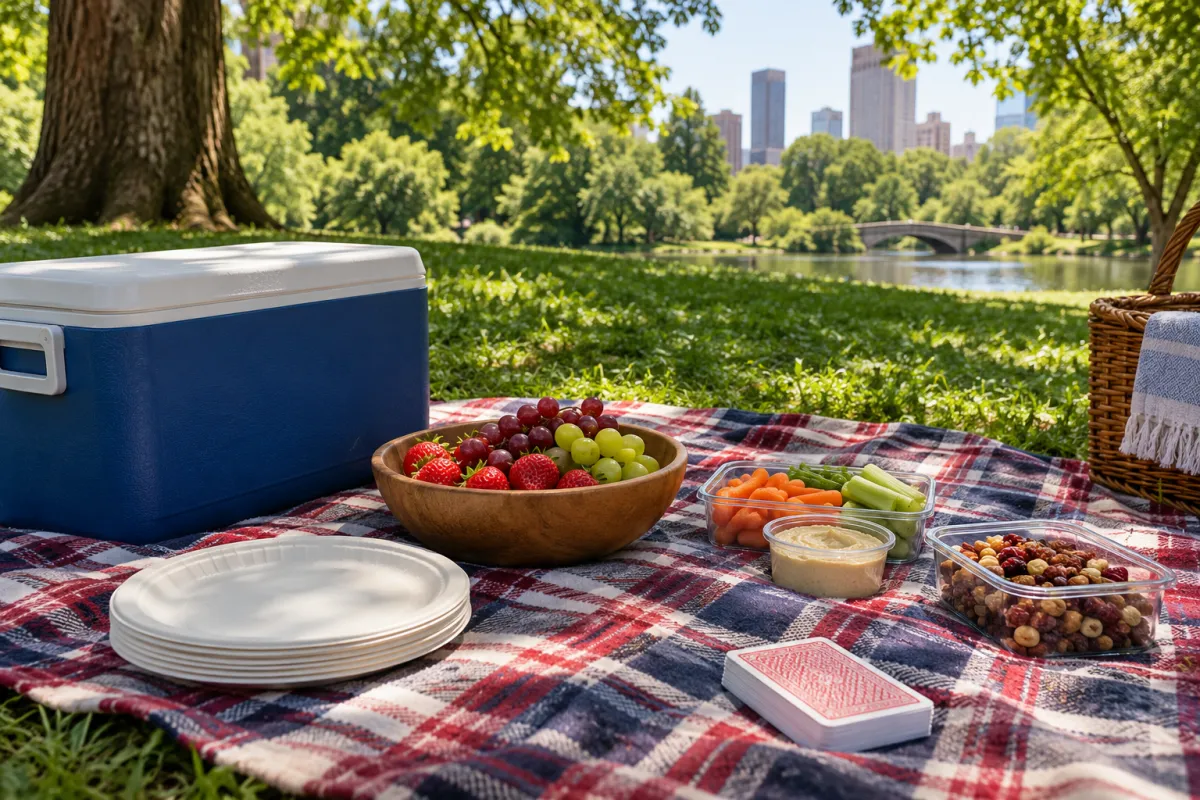
Picnic in the park Sunday. I’ll grab the shared stuff (plates, ice and a couple of big snacks) and send everyone an equal share afterward. Bring your own drinks and a blanket if you have one.
Group trips and shared rentals
Cabin weekend is on! The rental and shared groceries get split evenly among everyone who confirms by the end of the month. Gas gets split among the people in each car. I’ll need deposits before I book.
Trips have more moving parts than a dinner, so set the rules before anyone pays a deposit. Our guides to splitting costs on a group trip and splitting gas money with friends cover room differences, partial stays and fair deals for drivers.
When you’re treating
Let me take you to lunch to say thanks for helping me move. My treat, and I won’t hear otherwise.
Coffee and pastries on me Saturday. I owe you one for the job intro.
Who Pays on a Platonic Date?
On a platonic one-on-one hangout, the fair default is pay your own. The person who invited can offer to cover something small, like the coffee or an appetizer. If you invite a new friend somewhere pricier than they’d choose, offering to treat is a gracious move. After a few hangouts, many friendships settle into taking turns, which feels warmer than splitting to the cent every time.
The inviter sets the expectation. If you leave it unsaid, your new friend has to guess, and a wrong guess feels bad either way. They might feel they owe you, or they might feel you assumed they’d pay. For more situations, including what to do when a friend date starts to feel like a real date, see who pays on a friend date.
How to Ask Friends to Chip In
Asking friends to chip in goes smoothly when the ask is early, specific and easy to act on. Use these principles:
- Ask before you buy, not after. Writing “I’ll pick up supplies and we’ll split them” in the invite is easy. A surprise request after the fact feels like a bill.
- Say what the money covers. “Shared snacks, ice and plates” is clearer than “some stuff.”
- Send one number, once. Add up the receipts, divide by the number of people who were there and send a single request with a short note.
- Keep the follow-up close to the plan. A request within a day or two feels like wrap-up. A request weeks later feels like bookkeeping.
- Count yourself in. The organizer pays a share too, unless they’ve said the plan is on them.
Payment apps make the follow-up simple. Venmo lets you send a request with a note, and many people share their Zelle contact details so friends can send money from their banking app. A request isn’t rude when it matches what everyone agreed to. Timing and tone are what matter, and we cover both in is it rude to Venmo request a friend.
Thanks for coming to the picnic! I’m attaching the receipt for the shared supplies, and each person’s share is in the request I just sent. No rush, whenever works this week.
The Ride Home: Who Pays for the Uber?
When people ask who pays for the Uber after a group night out, the fair answer is the same as for any shared ride: the people in the car split it. One person books, pays through the app and then sends everyone else their share. The person who booked shouldn’t end up covering the whole ride just because they happened to open the app.
Two adjustments keep it fair. If one rider’s stop adds a big detour, they should cover more or take a separate ride. If someone drove the group instead, riders usually chip in for gas and parking. The driver is already contributing the car and the driving.
I’ll book a car back for whoever’s heading north and send you each your share after.
For Saturday, let’s carpool. The riders split gas and parking, since the driver is covering the car.
Phrases That Cause Confusion and What to Say Instead
Most payment mix-ups start with a phrase that sounded clear to the person who wrote it. Here are the usual culprits and better replacements.
| If you write | It might be heard as | Say this instead |
|---|---|---|
| Let’s grab dinner | The inviter is paying | Let’s grab dinner, separate checks? |
| Let’s split the bill | An even split, or everyone pays their own | Let’s split evenly, or let’s do separate checks |
| I’ll take care of it | You’re paying, or you’re only booking | I’ll book the table, and we’ll split evenly |
| We’ll figure it out | Someone else will cover me | Everyone covers their own |
| Let’s go Dutch | An even split to some people, pay your own to others | Each of us pays for what we order |
| Don’t worry about it | It’s free, or it’s a favor you’ll want back later | It’s on me, really |
When Someone Breaks the Rule or You Forgot to Say It
Forgot to mention who pays? Send a short follow-up well before the plan. Frame it as an add-on, not a correction:
Quick thing I should have put in the first message: we’re doing separate checks. See you Thursday!
Say you agreed on an even split and one person orders far more than everyone else. It’s fair to adjust lightly at the table:
How about extras like the bottle of wine go to whoever ordered them, and we split the rest evenly?
If someone in a pay-your-own group slips out without paying, send a low-key message the next day: “Hey, I think your share got missed at dinner. Want me to send a request?” Assume it was an oversight, because it usually is.
A Quick Safety Note for Plans With New People
Clear payment rules are one part of making plans with people you just met feel comfortable. The basics are the other part:
- Meet in a public place.
- Tell a friend where you’re going and who you’re meeting.
- Arrange your own way home.
- Leave if anything feels off.
Paying your own way supports that last point. You’re never stuck waiting for someone else to settle up before you can go.
Want to turn this into an actual plan? MeetNow is a free app for meeting people in person: a host posts a plan at a public place, says who pays (host pays, split, pay your own or free) and picks who joins. It is live on the web and works in your browser, starting in Malta. The Android app is on Google Play; the iPhone app is not in the App Store yet. Open MeetNow and see the plans posted in Malta.
FAQ
How do you say split the bill in an invitation without sounding cheap?
Mention it as logistics, right next to the time and place, in one short line such as “we’ll split the check evenly” or “separate checks so everyone orders what they want.” Avoid apologizing or over-explaining. A clear, neutral rule sounds considerate because it lets guests decide before they say yes.
Who pays on a platonic date if I did the inviting?
The fair default is that each person pays their own, while the inviter offers to cover something small or to treat if they chose a pricier spot. Whatever you intend, say it in the invitation so your new friend doesn’t have to guess. Over time, many friends simply take turns treating.
Who pays for the Uber after a group night out?
The people who ride in the car split the fare. One person books and pays in the app, then sends each rider their share. If one rider’s stop adds a big detour, they should pay more or take a separate ride.
How do I ask friends to chip in for a picnic or game night?
Say it in the invitation before you buy anything, for example “I’ll grab plates, ice and snacks and send everyone an equal share after.” Then add up the receipts, divide by everyone who came, including yourself, and send one request with a short note within a day or two.
What if one person orders a lot more after we agreed to split evenly?
You can adjust at the table without making it a big deal. Suggest that extras go to whoever ordered them and that everyone splits the rest evenly. If you expect very different orders, choose separate checks in the invitation instead.
Is it rude to say pay your own when I’m the one organizing?
No. With people you just met, pay your own is the most common and least awkward default for meetups and group plans. Organizing means choosing the time and place, not covering everyone. Just state it clearly upfront, and pay your own share like everyone else.